Prevention
The easiest way to prevent insect damage in your garden is to discourage them from coming in the first place. A healthy garden is the best defense.
- Pull out any weak plants. They may already be infected. If not, they will attract predators. Pull the plant and dispose of it away from the garden area.
- Build healthy, organic soil. Natural composting methods, mulching and top-dressing your soil with compost or natural fertilizer is the best way to develop strong, vigorous plants.
- Seaweed mulch or spray. Seaweed contains trace elements such as iron, zinc, barium, calcium, sulfur and magnesium, which promote healthy development in plants. Seaweed fertilizer in mulch or spray form will enhance growth and give plants the strength to withstand disease. Seaweed mulch also repels slugs.
- Minimize insect habitat. Clear garden area of debris and weeds which are breeding places for insects. Use clean mulch.
- Interplant and rotate crops. Insect pests are often plant specific. When plantings are mixed, pests are less likely to spread throughout a crop. Rotating crops each year is a common method to avoid re-infestation of pests which have over-wintered in the bed.
- Keep foliage dry. Water early so foliage will be dry for most of the day. Wet foliage encourages insect and fungal damage to your plants.
- Disinfect. If you've been working with infested plants, clean your tools before moving on to other garden areas. This will reduce the speed of invading insects.
Beneficial Insects
Beneficial insects are insects which you can attract to your garden, or buy from catalogs, which prey on harmful insects or their larvae. There are many different species for specific problems, and more information is available at several of the links listed on this page.
Brachonids, Chalcids and Ichneumon Wasps These small beneficial insects destroy leaf-eating caterpillars. You can attract them to your garden by planting carrots, celery, parsley, caraway and Queen Anne's lace, all members of the Umbelliferae family. These plants are easy to grow, and some should be left to flower. It's the flower that attracts the insects.
These common insects consume aphids, mites, whiteflies and scale. They can be attracted to your garden by planting members of the daisy family (Compositae), tansy or yarrow. Ladybugs are also available from catalogs online.
Lacewings are avid consumers of aphids, and their larva eat aphids and other varieties of other insect pests. They are attracted to "composite" flowers, such as yarrow, goldenrod, black-eyed Susan's and asters. Lacewings can also be purchased online at the sources listed below, and released directly into your garden.
Hover-flies are avid consumers of aphids, and the larva of hover-flies eat aphids and other insect pests. Like the Lacewings, they are attracted to "composite" flowers, such as yarrow, goldenrod, black-eyed Susan's and asters. Seeds for these flowers are available online, or at most garden centers.
These large insects have an appetite for most garden pests. Praying mantis eggs are set out in the garden where they hatch and quickly grow to adult size. The eggs are available through mail-order catalogs.
Effective against cutworms, a common pest which destroys sprouts before they can grow into seedlings. Nematodes are also effective against beetles and root weevil larvae.
Nematode eggs are microscopic and come in a small sponge a million at a time. These are mixed with water and applied to the soil, where they hatch and go to work. If they get on foliage, wash them off to the ground.
Nematodes are harmless to humans and pets. They are available in some garden centers and through mail-order catalogs.
Garden 'Mini - Insectary'
You can also set aside a small garden plot of flowering plants designed to attract and harbor beneficial insects. These 'good' insects prey on many common garden insect pests, and offer the gardener a safer, natural alternative to pesticides.
These 'good' insects prey on many common garden insect pests and offer the gardener a safer, natural alternative to pesticides.
A garden insectary is a form of "companion planting", based on the positive effects plants can share as a method of deterring pests, acquiring nutrients or attracting natural predators. By becoming more diverse with your plantings, you are providing habitat, shelter and alternative food source, such as pollen and nectar, something many predators need as part of their diet.
Aphid predators such as aphidius, need the pests to be present in order to reproduce. The idea of inviting the pests in may seem alarming, until you understand that you can encourage host specific pests. These pests will remain on the desired plant in your mini insectary yet provide an ideal breeding ground for the associated predators and parasites.
The plot does not have to be large, just big enough to hold 6-7 varieties of plants which attract insects. Once the garden has matured you can watch your personal insect security force do the work for you.
A garden insectary should be thought of as a long-term permanent component of your garden. Results are not instant and conclusive; rather, the benefits to your garden are cumulative. As your plantings mature and resident populations of beneficial insects are established, the need for chemical pesticides and other aggressive insect control techniques will diminish. Your garden will become a more natural and balanced environment for the healthy production of vegetables and flowers.
“Mini Insectary” Plants / Beneficial Predators Attracted
Achillea filipendulina / Lacewings, Aphidius, Ladybugs
Alyssum / Hoverflies, Lacewings, Tachnid flies
Amaranthus / Ground beetles
Anethum graveolens (Dill) / Ichneumon wasp, Ladybugs, Lacewings
Angelica gigas / Lacewings
Convolvulus minor / Ladybugs, Hoverflies
Coreopsis / Hoverflies, Lacewings, Parasitic wasps
Cosmos bipinnatus / Hoverflies, Parasitic wasps, Lacewings
Digitalis / Dicyphus
Foeniculum vulgare (Fennel) / Damsel bugs, Ladybugs, Lacewings
Helianthus annulus / Pirate bugs, Beneficial mites
Iberis umbellate / Hoverflies
Limonium latifolium (Statice) / Hoverflies, Parasitic wasps
Lupin / Aphidius, Aphidoletes, Hoverflies
Melissa officinalis (Lemon balm) / Parasitic wasps, tachinid flies
Parsley / Parasitic wasps, hoverflies, tachinid flies
Queen Anne's lace / Lacewings, Ladybugs, Hoverflies
Scabiosa (Pincushion flower) / Hoverflies, Parasitic wasps
Shasta Daisy / Pirate bugs, Beneficial mites
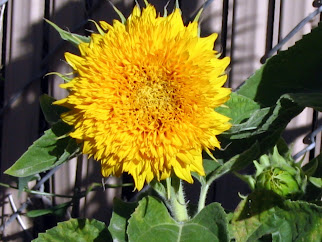
Sunflowers / Pirate bugs, Aphidius, Parasitic wasps
Tanacetum vulgare (Tansy) / Ladybugs, Lacewings
Verbascum thaspus / Dicyphus
Yarrow / Hoverflies, Parasitic wasps, Ladybugs
Beneficial Predators / Prey
Aphidius / Aphids
Aphidoletes / Aphids
Beneficial mites / Thrips, spidermite, fungus gnats
Damsel Bugs (Nabidae) / Eggs of many pest insects
Dicyphus / Whiteflies, aphids, Thrips, spider mites
Ground Beetles / Slugs, small caterpillars and grubs
Hoverflies / Aphids, mealy bugs and others
Lacewings / Scale, aphids, mites, soft bodied insects
Ladybugs / Aphids, mites
Pirate Bugs / Thrips, aphids, mites, scales, whiteflies
Tachinid flies / Caterpillars, beetle and fly larvae
Wasps (parasitic) / Whiteflies, moth, beetle and fly larvae
Tips and suggestions:
Intersperse vegetable beds with rows or islands of insectary annuals. This will add decorative elements to your vegetable beds while luring beneficials toward prey.
Allow some of your salad and cabbage crops to bloom. Brassica flowers (cabbage, broccoli, Brussels sprouts, bok choy) are also attractive to beneficial insects.
Include plants of different heights in your insectary. Ground beetles require the cover provided by low-growing plants such as thyme, rosemary, or mint. Lacewings lay their eggs in shady, protected areas, so providing such places near crop plants is a good idea.
Tiny flowers produced in large quantity are much more valuable than a single, large bloom. Large, nectar-filled blooms actually can drown tiny parasitoid wasps.
Members of the Umbelliferae family are excellent insectary plants. Fennel, angelica, coriander, dill, and wild carrot all produce the tiny flowers required by parasitoid wasps.
Composite flowers (daisy and chamomile) and mints (spearmint, peppermint, or catnip) will attract predatory wasps, hoverflies, and robber flies.
Grow green manure. Clover and vetch, commonly used as cover crops for soil enhancement, are also effective insectary plants.
Herbs (coriander, dill and fennel) will attract hoverflies, lacewings, ladybugs and Tachnid flies to your garden. Coriander (cilantro) is one of the top insectary plants. Caraway, chervil, dill, fennel and parsley flowers are also valued insectary plants.
Non-toxic and Homemade Remedies
Homemade remedies are inexpensive and, best of all, you know what is going into your garden. Many homemade sprays have been used with good results to control harmful insects. They usually involve noxious (but non-toxic) ingredients such as garlic, cayenne, stinging nettles or horsetail which are diluted in water and blended to be sprayed on the plants. Here are a few simple formulas:
Soft-bodied insects (mites, aphids, mealy bugs):
Mix one tablespoon canola oil and a few drops of Ivory soap into a quart of water. Shake well and pour into a spray bottle. Spray plant from above down, and from below up to get the underside of the leaves. The oil smothers the insects.
Grubs:
For lawn or garden grubs, there is a natural remedy called milky spore. The granules are spread on the soil and cause the grubs to contract a disease that kills them. This natural control affects only the grubs, leaving the beneficial organisms unharmed. Milky spore multiplies over time and will sit inactive, waiting for grubs to infect. One treatment is said to last 40 years. The grubs are actually the larvae of Japanese beetles. So, when you kill the grubs you kill the beetle.
Mites and other insects:
Mix two tablespoons of hot pepper sauce or cayenne pepper with a few drops of Ivory soap into a quart of water. Let stand overnight, then stir and pour into a spray bottle and apply as above. Shake container frequently during application.
Earwigs, slugs, and other soft-bodied garden pests:
Sprinkle diatomaceous earth over plants and around edges of garden beds. The diatoms particles are very small and sharp – but only harmful to the small exoskeletons of insects, slugs and snails. Insects cannot become immune to its action, as it is a mechanical killer – not a chemical one.
Fungal diseases:
Mix two tablespoons of baking soda into a quart of water. Pour into a spray container and spray affected areas. Repeat this process every few days until problem ceases.
Powdery mildew:
Mix equal parts milk and water and spray on infected plants. Three treatments a week apart should control the disease.
Insects and fungal diseases:
Combine one tablespoon of cooking oil, two tablespoons of baking soda and a few drops of Ivory soap into a quart of water. Pour into a spray container and apply as above.
Insects on fruit trees:
Lime sulfur and dormant oil, available at nurseries and garden centers, can be sprayed on the trunk and branches of dormant fruit trees. This concoction will suffocate insect egg cases. Because the oily spray is heavy compared to the other water-based sprays, you'll need a pump sprayer. These are fairly inexpensive, and are available to rent from some nurseries. Only use this method while the tree is dormant, however, or it can kill the tree.
Commercial dormant oils may contain petroleum oil or kerosene. A less toxic solution that you can make yourself is:
1 cup vegetable oil and 2 tbsp liquid soap mixed in one gallon (4 liters) water
Mix the soap and oil first, then add the water. Shake often during use.
Caution: Sprays which kill harmful insects will also kill beneficial insects. Use these homemade remedies selectively, only spraying the infected plants. Apply them early in the morning or just before dark. Re-apply after a rain. Wear protective clothing when spraying insecticides.
1-Mild soap and water. One of the safest and most effective homemade pesticides is some dishwashing soap mixed with water. In general, it just takes a few drops of soap into a spray bottle followed by water. You don’t need to use an excessive amount of soap to get the trick done (just one tablespoon). Basically, this mostly irritates the pests and gets them to leave on their own.
2-Spearmint hot pepper horseradish spray. To make this powerhouse recipe mix ¼ cup of hot red peppers, ½ gallons of water, ¼ cup of fresh spearmint leaves, ¼ cup of horseradish (both the root and leaves), and ¼ cup green onion tops. You basically soak everything in water for several hours (overnight) and then drain and save the water adding 1 tablespoon of liquid dish soap.
3-Salt and water. This is a very simple irritant used to chase away cabbage worms and spider mites. Mix 2 tablespoons salt in 1 gallon of water and then spray that mixture onto your plants.
4-Oil and soap spray. You can also mix in one cup of vegetable oil (sunflower oil, corn, soybean, or even peanut oil will work) with one tablespoon of mild liquid dish soap and two cups of water.
5-Ammonia spray. This one is not my first choice as the smell is really strong and the ammonia can have negative effects as well (especially if you use too much). You mix this in a 1:7 ratio with water and apply the solution to the infected area. This should get rid of most insects (reapply as needed).
6-Citrus spray. Soak 1 cup of lemon or orange peels, ¼ cup of spearmint leaves (or sage), and ¼ cup of lavender leaves overnight in a gallon of water. Drain this mixture and save the water along with 1 tablespoon if liquid dishwashing soap and then apply that solution to your plants.
7-Wormwood tea. If you have a problem with moths, slugs, snails, or even moles and gophers you might want to mix up some wormwood tea. This involves about ½ pound of Artemesia leaves (A. Absinthium is common wormwood) along with 6 pints of water. You coarsely chop the leaves and bring them to a boil in 2 pints of water. Then you simmer that solution for 30 minutes pouring the result into a spray bottle along with a quart of fresh water.
8-Sugar and boric acid. If you find yourself struggling with an army of ants (or in an all-out battle) you may want to mix one part confectioner’s sugar to one part boric acid powder and sprinkle that around the perimeter of ant mounds or anywhere you see a lot of ant activity.
9-Garlic spray. You can soak 1-15 diced garlic cloves in 2 cups of mineral oil for 24 hours and then strain that solution adding the liquid to a spray bottle. Then apply that to your plants.
10-Onion, peppers, and garlic. If you really want something that packs a nice punch then you can grind 3 large onions, 3 hot peppers, and 1 bunch of garlic and place them into a gallon of water. Let that mixture sit overnight and then strain the spices and top off your gallon with fresh water.
Make an all purpose organic pesticide from vegetables
This is a cheap, all-purpose organic pesticide for herb & vegetable gardens alike. It can be used on a variety of insects that live in the dirt or on the plants including worms, mites and other parasites.
This pesticide will eventually break down and be reduced to nothing, so it is OK to eat any herbs or vegetables that are growing.
Materials
The materials used to make the pesticide should be easy to obtain.
You will need:
- an empty & clean gallon jug (such as a milk jug)
- a spray bottle with spray nozzle
- a funnel
- a piece of cloth such as a shirt or bandanna
- a pot that can hold 1 gallon
- 2 small onions, chopped
- a jalapeno pepper, chopped with seeds
- a clove of garlic, chopped
- some dish soap
Simply blend all the vegetables into a paste.
***Take care not to rub your eyes or face after handling the liquid or the vegetables. The pepper especially can really burn if it gets in the eye!***
Mix the paste with one gallon warm water and let it sit for 20 minutes.
The ground up vegetables and water will make the killer tea, and it’s going to be quite fragrant.
Straining out the veggies
Once the tea has been allowed to sit for a couple of hours the flavor and odor has mixed with the water, the liquid needs to be strained.
Use a funnel and bandanna to catch the vegetable particles leaving only the liquid.
The mush that collects in the cloth can be squeezed out into the jug and the leftover can simply be thrown out or put onto the compost pile.
Add some dish soap
After all the straining is complete, add 2 tablespoons of dish soap to the liquid.
The soap helps the liquid stick to everything you spray it on. Plus, it makes the already bad-tasting, stinky liquid even less palatable to the insects that inhabit the plants.
Using the pesticide
Using the funnel, fill the spray bottle up and set the nozzle to a light mist.
At this point, the rest of the liquid can be capped and stored in the refrigerator for up to 2 weeks. Simply shake it up before it is used.
Take the spray bottle and spray the plants first. Try to get all over the plant including the stem and under the leaves. Spray the soil as well so that the top of it is wet.
What this liquid does is make every part of the plant that it touches unpalatable to the insect. The water evaporates and leaves behind the odor and flavor. It smells and tastes gross and they won't eat it and will starve to death. The liquid will not kill the insects on contact, so do not get upset if you see increased activity after the application. They're simply struggling to find something to eat.
Treat every 4 or 5 days to kill off the pests and prevent newly-hatched babies from feeding. It may take 3 or 4 treatments, but the numbers should gradually decrease.
If you’re looking for an alternative to chemicals and pesticides to keep creepy crawlers at bay, Mother Nature has a few tricks up her sleeve. Give these a try
Ants
Lemon: Cut up a lemon and squeeze out the juice where the ants are coming into the house or are building mounds on your land. Outside, change their route by pouring a line of cayenne pepper, dried peppermint or damp coffee grounds across the ants’ path.
Boric Acid and Corn Syrup: Combine one part boric acid to nine parts corn syrup. Microwave the mixture until the powder dissolves, about one minute. Poke four holes (one for each compass direction) along the bottom edge of an empty margarine tub and place a quarter-size drop of the mixture in the center before replacing the lid. The ants eat the syrup and share it with their colony, poisoning them all.
Dust Mites
Eucalyptus Oil: Add a few drops to your laundry or stored clothing/bedding for dust mite prevention.
Garden Invaders
Marigolds and Chrysanthemums: Marigolds, like chrysanthemums, contain chemicals that repel bugs. If you plant them around vegetables that are prone to insect damage (tomatoes are a classic example), the flying critters often don’t bother trying to make their way through the flowers to find the vegetables. A bonus: Insects do not develop a resistance to this method of pest control.
Mice
Peppermint Oil or Citronella: Fend off a rodent invasion by placing cotton balls soaked in oil of peppermint or citronella around your home’s foundation, at the spot where you suspect mice are getting in.
Peanut Butter and Humane Traps: To give critters the boot, use snap traps that capture but don’t kill. Bait the traps with peanut butter and place them perpendicular to any wall that serves as an entry point, then deposit trapped rodents outside. Block every entrance into your house with silicon sealer or cement, and stuff steel wool in any gaps around your pipes.
Mosquitoes
Plant Oils: Up until recently, the government’s Centers for Disease Control and Prevention deemed only products containing one chemical — the potentially toxic DEET — effective at preventing mosquitoes from biting you.
But in 2005, the CDC gave a nod to products containing less risky ingredients: oil of lemon eucalyptus, as well as a lab-made chemical called Picardin, which has long been used in insect repellents in Europe and is considerably less irritating to the skin than DEET.
Other plant oils that may repel mosquitoes include citronella, cedar, verbena, pennyroyal, geranium, lavender, pine and cinnamon. If you want to mix your own repellent, dilute 1 oz. essential oil of pennyroyal in 16 oz. vegetable oil, then apply to your body with your hands.
Moths
Herbal Sachet: Make a sachet with two 4- by 4-inch pieces of natural fiber material, such as silk or tight-weave linen, sewing three of the sides together with a simple straight stitch. Or take a shortcut and use cotton tea bags, which come ready to fill with a drawstring. Combine 2 teaspoons each of dried thyme, rosemary and mint, and 1 teaspoon of whole cloves in a bowl. Stuff your sachet about three-quarters full with the herb mixture and sew up the last side to seal, and leave the sachet in your drawer or around the closet where moths strike.
Cedar Chips and Lavender Sachet: Available ready-made at drugstores, cedar chip and lavender sachets work just as well as mothballs — and don’t fill your home with overpowering fumes.
Roaches
Boric Acid, Sugar and Bacon Drippings: To clear your home of roaches, mix 1/2 cup of boric acid (a low-toxic powder available at drugstores), 1/8 cup sugar and enough drops of bacon drippings to form a stiff dough when mixed together. To use as bait, roll into marble-size slabs and place them behind the fridge or the stove where pets can’t reach them. Roaches will keel over from the poison in boric acid. Follow up with a thorough cleaning by scrubbing with soap and hot water, and vacuum all the nooks and crannies to get rid of any eggs.
Ticks
Eucalyptus Oil and Water or Vegetable Oil: Even if you haven’t been hiking in the woods, you can still pick up ticks in your backyard or from family pets.
For a homemade repellent, herbalist Andrea Candee mixes 1/2 oz. eucalyptus oil with 16 oz. water in a spray bottle, then mists it on her body. For longer-lasting protection, combine the eucalyptus oil with vegetable oil instead of water, store it in a jar or vial, and apply with your hands.
To protect a furry friend, dip a thin rope in undiluted eucalyptus oil, then wrap the rope in a bandanna and tie it around your pet’s neck. Re dip the rope about twice a week.
Plants for Pest Repellent That Actually Work!
NATURAL FLEA REPELLENT
It can be impossible to get rid of fleas. If your inside animal gets into them, they're pretty much everywhere, but here are some natural repellents to get fleas under control.
Citrus - for natural flea control. Slice a lemon into 4 pieces. Score the skin to release more essential oil. Pour a cup of boiling water over your lemon and allow to sit overnight. Sponge onto your dog and spritz around your house. Sponge yourself before leaving the house to prevent bites.
Cedar – Cedar and cedar oil are natural flea deterrents. Create sachets or use oil to keep fleas away. Commercially made cedar dog beds are also available.
Fleabane – One of my favorite wildflowers, fleabane is a weed you may want to keep around for flea control.
Eucalyptus – Use the scent of eucalyptus leaves to repel fleas.
Tansy – a colorful flower to grow in your garden, the tansy also works for flea control.
Lemon Grass or Citronella – also good for mosquitoes, growing this plant will keep your fleas away.
NATURAL MOSQUITO REPELLENT
Rosemary – burning rosemary is a great way to combat mosquitoes. Throw a few springs onto your BBQ grill and enjoy the delicious flavor and a bug free environment!
Sage – works the same as rosemary.
Marigolds – planting these in your flowerbeds and around your entrances to keep mosquitoes at bay. They don't like the smell.
Thai Citronella – considered more potent against mosquitoes than true citronella.
Other Plant Oils to Consider – Cinnamon Oil, Lemon Eucalyptus Oil, Cinnamon Oil, Rosemary Oil, Garlic Oil, Lemongrass Oil, Cedar Oil, Peppermint Oil, Clove Oil and Geranium Oil.
NATURAL ANT REPELLENT
Ants can be a tough pest to get rid of, they seem to be everywhere!! Try these safe, all-natural repellents and worry no more!
Mint – Ants don't like mint. Place a few springs at their points of entry.
Bitter Cucumber – Ants have a natural aversion to cucumber, bitter works best.
Citrus – spray across their points of entry. You can also soak string in citrus oil and 'rope' off your ants.
Garlic – slip a few pieces of crushed garlic into their crooks and crannies. They will not be going there anymore!
Pepper – black or cayenne will work. Sprinkle near their gathering places to send ants packing!
Cinnamon – works same as pepper.
NATURAL COCKROACH REPELLENT
Catnip – A natural repellent to cockroaches, catnip can be a lifesaver. Make a sachet of dried catnip and place in the roaches favorite gathering places. You can also boil fresh catnip in hot water to make a tea to spray. Use with caution if you have cats who are highly affected by catnip.
Hedgeapple – The fruit of the Osage orange tree is an amazing repellent to cockroaches. The tree is native to American and grows naturally in Texas and Oklahoma. I have not tried this one, but they say simply setting a hedgeapple in your room is enough to deter roaches for 2 months.
Bay leaves – Bay leaves can easily be tucked into cracks and other tiny hiding places to keep roaches OUT!
Garlic – works the same as bay leaves. (see above)
Cucumbers – works same as bay leaves. (see above)
NATURAL FLY REPELLENT
Mint – the smell of mint is enough to keep flies away. Make small sachets of mint and hide all over your house, for great smell and a fly-free home.
Eucalyptus – works same as mint (see above)
Basil – Not only does it smell amazing and taste great, it naturally keeps flies away. This is a great herb to plant near entrances and in your yard. Sweet basil may work best.
As you can see, there are many plants and natural repellents that can help with the summer bugs and pests. Before you start spraying chemicals around your home, kids and pets, try out some a few of these organic methods. You probably already have most of these plants around your home!
Traps and Barriers
Yellow Flypaper: Old-fashioned fly-paper is very effective in the garden for aphids and whiteflies. In fact, any board or heavy paper painted yellow and coated with a sticky substance such as tanglefoot (available at garden centers) will do the job.
Apple Maggot Traps: The apple maggot is the most destructive pest of apples grown in home orchards. This insect is a type of fly which pierces the skin of ripening fruit and lays eggs. In 5 - 10 days, the eggs hatch a maggot which burrows through the fruit. These pests can be managed by using sticky red sphere traps. Hang one trap for every 100 apples in a tree.
Pheromones: These biological mating scents attract insects to a trap which is coated with a sticky substance. Pheromone traps are effective, but remember they are "attracting" the insects - be sure to position them on your garden perimeter or you'll attract outside pests into your garden!
Floating Row Covers: Floating row covers consist of lightweight opaque material which is draped over the garden bed. Sunlight and water go through, but insects and birds are kept out. The material is so light that the growing plants simply push it up as they grow. The edges of the row cover need to be anchored with rocks or boards or the wind will lift it. The material is "spun" which resists tearing, but usually begins to break down after a few years. Row cover material comes in rolls so you can make a continuous cover no matter how long the garden bed.
Row covers are great for protecting seedlings. They are even more useful throughout the growing season when placed over vegetables such as carrots, beets, broccoli, Swiss chard and spinach because it makes an effective barrier against flying insects looking for these plants to lay their eggs on.
Cloche: The cloche is like a miniature greenhouse for your seedbeds and young plants, and acts as a barrier against pests. Unlike the floating row cover, however, the cloche has to be opened on hot days and for watering, and this presents an opportunity for pests to find the plants. But because the cloche helps seedlings and young plants get well established, the enhanced natural resistance of stronger healthy plants is the best defense against pests and disease.
Barrier Paper: Scraps of waxed cardboard from milk cartons, or a scrap of roofing felt are a simple yet effective defense against cabbage moths. Cabbage moth larva kill young sprouts of the Brassica family (broccoli, cabbage, Brussels sprouts, kale or cauliflower).
Cut into 2" squares and slit one side into the center; make another small slit crossways. Open the slit and slide the square so the seedling stem is in the center. This prevents the cabbage moth from laying eggs at the base of the sprouts. Leave in place - as the plant grows it will simply push the slit open wider. Be sure to apply as soon as the sprout appears, or the moth will beat you to it!
Rodent Control
First, secure any open food sources, especially the compost bin. Sealed compost bins, such as compost tumblers, are recommended if you have rodents in your garden. As a deterrent, soak a rag or cotton balls in oil of peppermint (found at most health food stores), and place in areas of rodent activity. Place under an eve or under a cover that will keep the rain from diluting the peppermint. Rodents are allergic to peppermint and will avoid it. This method is also effective at deterring rabbits.
Mole Control
Organic mole repellent is now commercially available for area-specific mole control.
Read more...


 Posts
Posts