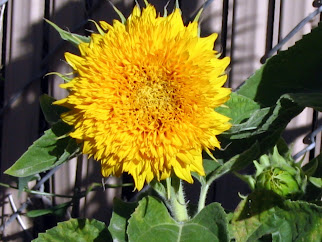
Quick, what do you do when you see insects in the garden? Do you cover everything with netting hoping to keep them all out? Do you reach for the pesticide hoping to rid them all with extreme prejudice? Hopefully, you don’t do either of these things until you know if they are beneficial or harmful. As a gardener, it would be to your benefit to know the difference.
Beneficial insects are on your side when it comes to controlling those harmful nasties that we all love to hate. But they wont stick around in your garden unless they have a welcome environment in which to live, especially when the harmful insects are not there.
Some beneficials have voracious appetites when feeding on other insects, some parasitize them by laying eggs in the host body giving their young a food source. Isn’t nature just delightful?
Beneficial insects may consume large numbers of pest insects, but their diets are not limited to other insects. Keeping them around when there are no insects to prey on is a matter of providing the right shelter and the food they need. A term I recently learned that describes such a haven is: insectary. A small garden plot of flowering plants designed to attract and harbor beneficial insects. Think of it as a garden within a garden. Often set off to one side in an out-of-the-way area that doesn’t get disturbed by regular cultivating and weeding. A wild place that these friends of ours can call their own.
Many beneficial species have periods in their life cycles when they survive only on nectar and pollen. Therefore, planting a variety of insectary plants with different bloom times and different bloom sizes will ensure an adequate supply of nutrients to keep the beneficial insect population going strong.

The tiny flowers of fennel (left), angelica, yarrow (right), coriander, rue, dill, and carrot are suitable for parasitoid wasps. Insectary plants also include those plants that provide another critical need, shelter. Providing plants tall plants will help protect flying insects while low-growing plants, such as thyme, rosemary, or mint, provide shelter for ground beetles and other beneficial insects.
The plot does not have to be large, just big enough to hold 6-7 varieties of plants which attract insects. Once the garden has matured you can watch your personal insect security force do the work for you.
Creating your habitat can add color, texture and height to your garden. Start luring beneficials early in the season with annuals like alyssum, cosmos, zinnias, sunflowers, and marigolds. At the same time, set out perennial flowers and herbs, including golden marguerite (Anthemis tinctoria), yarrow, lavender, mint, fennel, angelica, dill, parsley, and tansy. When you've finished harvesting allow cilantro, cabbage, brussel sprouts and carrots to flower providing nectar to act as a treat for a job well done.
Some gardeners refer to the insectary as a form of ‘companion planting’, based on the ability of a plant to draw a beneficial insect toward another plant that is susceptible to pest damage. The plants can be inter-planted among your regular plants and serve the same purpose. They may plant alternating rows of insectary annuals with rows of vegetable plants. I have seen an ‘island’ of insectary plants with vegetables planted around them in a circle and vice versa.
Insectary Plants
- - Beneficial Predators Attracted
Achillea filipendulina
- - Lacewings, Aphidius, Ladybugs
Alyssum
- - Hoverflies, Lacewings, Tachnid flies
Amaranthus
- - Ground beetles
Anethum graveolens (Dill)
- - Ichneumon wasp, Ladybugs, Lacewings
Angelica gigas
- - Lacewings
Chamomile
- - Parasitic wasps, Hover flies, Robber flies
Convolvulus minor
- - Ladybugs, Hoverflies
Coreopsis
- - Hoverflies, Lacewings, Parasitic wasps
Cosmos bipinnatus
- - Hoverflies, Parasitic wasps, Lacewings
Daisy
- - Parasitic wasps, Hover flies, Robber flies
Digitalis
- - Dicyphus
Daucus Carota (Queen Anne's lace)
- - Lacewings, Ladybugs, Hoverflies
Foeniculum vulgare (Fennel)
- - Damsel bugs, Ladybugs, Lacewings
Helianthus annulus
- - Pirate bugs, Beneficial mites
Iberis umbellate
- - Hoverflies
Limonium latifolium (Statice)
- - Hoverflies, Parasitic wasps
Lupin
- - Aphidius, Aphidoletes, Hoverflies
Melissa officinalis (Lemon balm)
- - Parasitic wasps, Tachinid flies
Mints
- - Parasitic wasps, Hover flies, Robber flies
Petroselinum crispum (Parsley)
- - Parasitic wasps, Hover flies, Tachinid flies
Scabiosa (Pincushion flower)
- - Hoverflies, Parasitic wasps
Shasta Daisy
- - Pirate bugs, Beneficial mites
Sunflowers
- - Pirate bugs, Aphidius, Parasitic wasps
Tanacetum vulgare (Tansy)
- - Ladybugs, Lacewings
Verbascum thaspus
- - Dicyphus
Yarrow
- - Hoverflies, Parasitic wasps, Ladybugs
If you have used selective pesticides in the past, you may have chased away beneficial insects as well and so you will have to wait at least a couple of years before a natural balance between beneficial and pest insect population is achieved. In the meantime the pest population may grow to a scary size and seemingly out of control but soon predators will come in and begin feasting. While you are waiting, you can use Bt, Neem or insecticidal soap to help manage them. Just keep in mind that this balance between beneficial and pest insects existed for millennia before we came along and it will return if we provide enough variety.
Your success will probably vary from year to year as the climate and vegetation change and new pests arrive. You should expect the development of a habitat where pests and beneficials exist in a rough balance to be an effort of several years rather than a season or two. Despite the presence of so many beneficials, you will still need to hand-pick squash bugs or rub scale from the branches of the fruit trees.
While your insectary matures, you can:
* Provide water areas with shallow dishes or pebble areas. The larger good guys, toads, will appreciate these areas too.
* Include some permanent hardscapes such as stone paths and decorative rock.
Common beneficial insects.First, learn how to recognize common beneficial and pest insects.
 Lady bugs
, or
lady beetles, prey on aphids and other soft-bodied insects. These must be their favorite meal because ladybugs can consume up to 50 aphids per day.

The larvae will each eat close to 400 aphids before entering its pupal stage. There are many species of lady beetle that attack many different prey. The adults are independent, flighty creatures and may not all stay in your yard, but if they eat aphids in the neighbors yards then at least that’s a few less aphids for you to worry about.
 Ground beetles
 (
carabus nemoralis)-don't fly much, preferring to run away when disturbed. You probably won't see them unless you uncover their hiding places, usually old piles of weeds. They're relatively large (about 3/4 inch), and dark, with long, jointed legs. They're nocturnal hunters, rooting among leaf litter for insect eggs and larvae.
 Soldier beetle
 (
rhagonycha fulva)-show up for the late spring aphid feast.
 Rove beetles
 (
tachyporus)-feed on mites and snails and inhabit piles of decaying organic matter. They are similar to thrips, but without the ‘pincers’ on the back.
 Lacewings
-Watching these graceful, almost butterfly-like adults searching for pollen or nectar, it is difficult to imagine it in its fiercely predacious larval stage, during which it devours aphids, caterpillars, mealybugs, leafhoppers, insect eggs, and whiteflies. It even eats other lacewings.

Up close, the lacewing larva looks like a tiny (1/2 inch) alligator. If you keep a supply of flowering plants, adult lacewings may take up residence. If you decide to introduce beneficial to your garden, lacewings are the most effective predators you can buy.
 Hover flies
-With their striped abdomens, hover flies look like small bees, but they move through the air more like flies, zipping from plant to plant, hovering briefly before landing. Some people call these sweat bees since the flies enjoy a little tasty drink of sweat periodically. The hover, or syrphid, fly is one of many predatory flies and one of the most conspicuous beneficial in our garden. They can be found just about anytime and anywhere in the garden. They visit a variety of flowers in search of pollen and nectar, and they lay their eggs near aphids or other soft-bodied insects. The eggs hatch into ravenous larvae that eat up to 60 aphids, thrips and small caterpillars per day. The adult hover flies do not eat other insects, but feed on nectar and pollen.
 Praying mantis
-undoubtedly the most well known garden dweller, this insect is a master of the hunt and at camouflage. Larger species have been known to prey on small lizards, frogs, birds, snakes, and even rodents. Back in my home state of Indiana, we used to find these growing 5-6 inches long.
 Parasitic wasps
-These very helpful creatures, ranging in size from small to minuscule, will defend your garden against caterpillars like corn earworm, tomato fruitworm, cabbageworm, and tent caterpillars. The smallest and perhaps most popular parasitic wasp is the trichogramma, a dust-size creature that lays up to 300 eggs in moth or butterfly eggs. You can buy them through the mail if you're expecting an infestation of caterpillars. They don't live very long so timing their release to coincide with the presence of pest eggs is pretty important.
Spiders. All spiders feed on insects and are very important in preventing pest outbreaks. The spiders normally found in gardens do not move indoors, nor are they poisonous. Permanent perennial plantings and straw mulches will provide shelter and dramatically increase spider populations in vegetable gardens.
 Tachinid Flies
. Although they look similar to house flies, tachinid flies are very important enemies of cutworms, armyworms, tent caterpillars, cabbage loopers, gypsy moths, sawflies, Japanese beetles, squash bugs, and sowbugs. Grow pollen and nectar plants to attract them.
Predator insect populations will vary in size according to the amount of available food much the same way pest populations arrive when their favorite treats are available.
Beneficials by mailMany beneficial insects are available by mail. You might find it useful to release a few to get a jump start on pests while your habitat is developing.
Perhaps the most effective and economical are
lacewings, available as eggs, larvae, and adults. A thousand lacewing eggs, enough for 2500 square feet, will cost about $5 plus shipping. A thousand larvae cost about twice that.
Lady beetles are widely available in garden centers or by mail. Five hundred will cost you about $7.50. Remember to have some aphids and pollen around before you release them, and don't be surprised if many fly away.
Trichogramma wasps are available in the form of parasitized eggs glued to a card. In the event of a caterpillar invasion, you hang the card in the garden, the wasps emerge, and you're on your way to victory. It's important to consider, however, that trichogramma will attack butterfly larvae, too. Timing and accurate pest identification are very important. A card with 100,000 eggs costs about $15.
Minute pirate bugs and
big-eyed bugs are available, but very expensive.
Keep in mind that if you don’t have a food source for these insects they are not going to stick around. They just might find your neighbors yard more to their liking.
Once you have put your faith in beneficial insects, the next time you see a cloud of whiteflies around your cabbage or a crawling mass of aphids on your roses you can rest easy knowing that hover flies and lady bugs will soon move in to feed and deposit their eggs on the leaves. New hover flies will emerge in a few days and begin looking for pollen and nectar. A large Asian lady beetle is grazing through the crowd. I guess I can relax. It looks like the insects have this outbreak under control.
In summary, beneficial insects provide an undeniable service by 1) protecting our valuable and desirable crops from pests, 2) eliminates our need to introduce chemicals into our environment, and 3) gets us to expand our garden variety by adding plants that we probably would not have considered adding. All for free. Quite a magnificent plus if you ask me.
Further reading: The Bugman on Bugs
 This sequel to the authors’ Ask the Bugman (2002) contains more valuable information on how to identify assorted insects and arthropods and the best ways to keep them out of your house, all presented with the wry humor that fans of Fagerlund’s nationally distributed newspaper column have come to treasure.
 Great Garden Companions:
 A Companion Planting System For A Beautiful, Chemical-Free Vegetable Garden
Let master gardener Sally Jean Cunningham show you how to keep pests and diseases at bay with her unique companion-gardening system. By planting special combinations of vegetables, flowers, and herbs, you can minimize pest and disease problems and create a high-yielding, beautiful garden!
Other helpful resourcesBiological Control: A Guide to Natural Enemies in North America
Biological Control SystemsThe Beneficial Insect CompanyCompanion PlantingGarden Toad’s Companion Plant GuideInsect IdentificationDave’s GardenWhat’s That Bug
Read more...


 Posts
Posts